
Have you ever stared into your fridge wondering, "What am I supposed to eat?"
If so, you're not alone.
Everywhere you look, there's another diet promising to be the answer. Keto says carbs are the enemy. Plant-based says meat is the problem. Carnivore tells you vegetables aren't necessary. Each one has scientific research to support it, which leaves many of us asking... Who's actually right?
The truth is, they all might be—for the right person.
I've watched so many people jump from one diet to another, eliminating entire food groups, eating more restrictively, and still not seeing the results they hoped for. The scale doesn't move, energy stays low, and frustration builds. It isn't usually because they aren't trying hard enough. More often than not, it's because they're following someone else's nutrition plan instead of learning what their own body needs.
By now, most of us know we should be eating protein, healthy fats, and carbohydrates. But the real question isn't whether we should eat them—it's how much of each is right for us?
Sure, you can count calories and meticulously track your macros. While that works well for some people, I personally don't want to spend my life obsessing over numbers. I simply want to know that I'm eating in a way that supports steady energy, healthy digestion,mental clarity, clear skin, and long-term health.
This is where Primal Pattern Eating comes in.
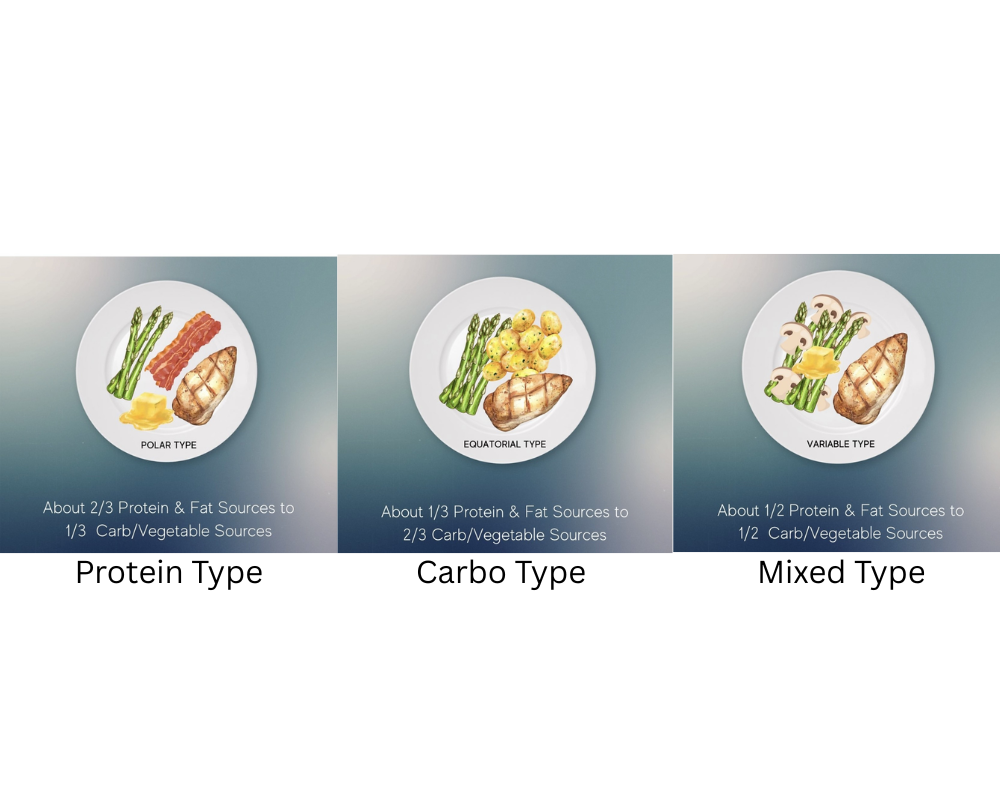
Primal Pattern Eating is based on the idea that our ancestral roots may influence the way our bodies respond to food. Think about indigenous populations from Alaska. Their traditional diets were rich in fish, wild game, and healthy fats, with relatively little vegetation. People whose ancestry comes from colder climates often thrive on a higher percentage of protein and fat.
Now compare that to indigenous populations from warmer climates, such as parts of South America. Their traditional diets included plenty of fruit, root vegetables, and other starches, with smaller amounts of animal protein. Those individuals often do well with a greater percentage of quality carbohydrates.
Of course, most of us today—especially in the United States—have ancestry from several different regions. That means many people fall somewhere in the middle, feeling their best with a more balanced combination of proteins, fats, and carbohydrates.
"But what if I have no idea where my ancestors came from?"
That's okay! You don't have to know your family history to begin learning what works best for your body.
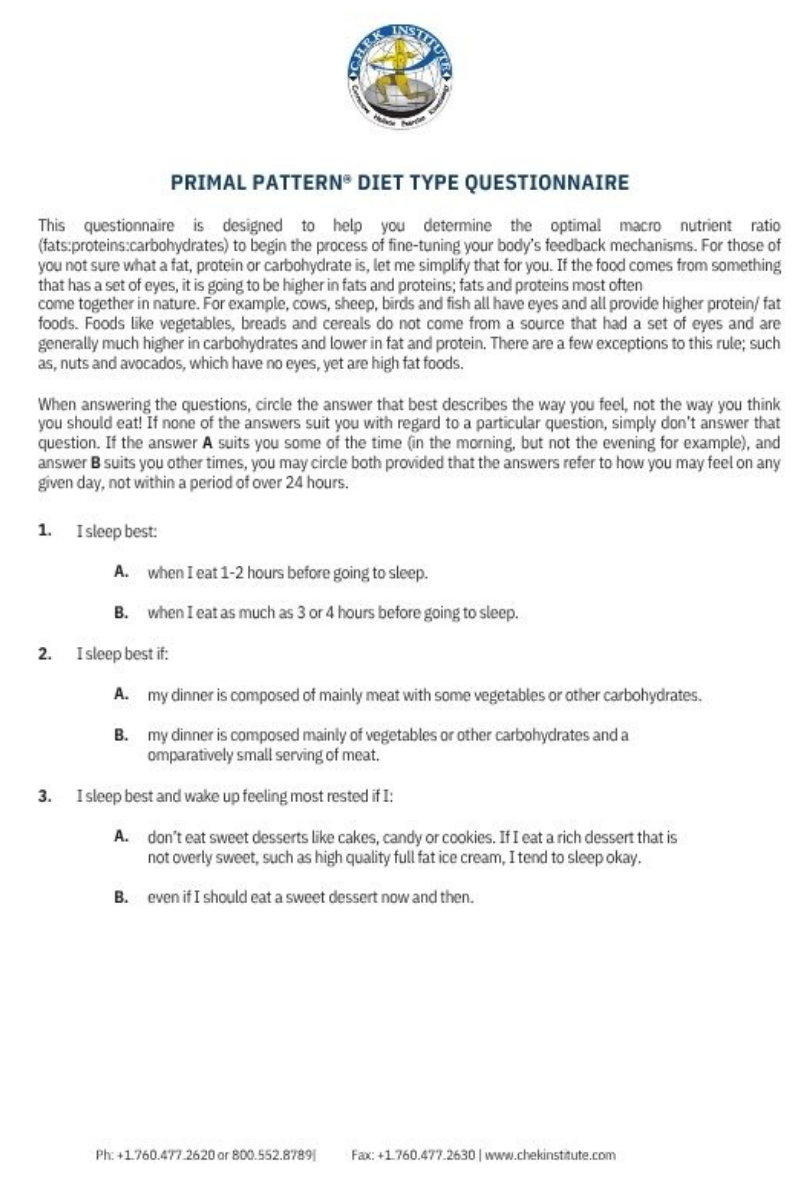
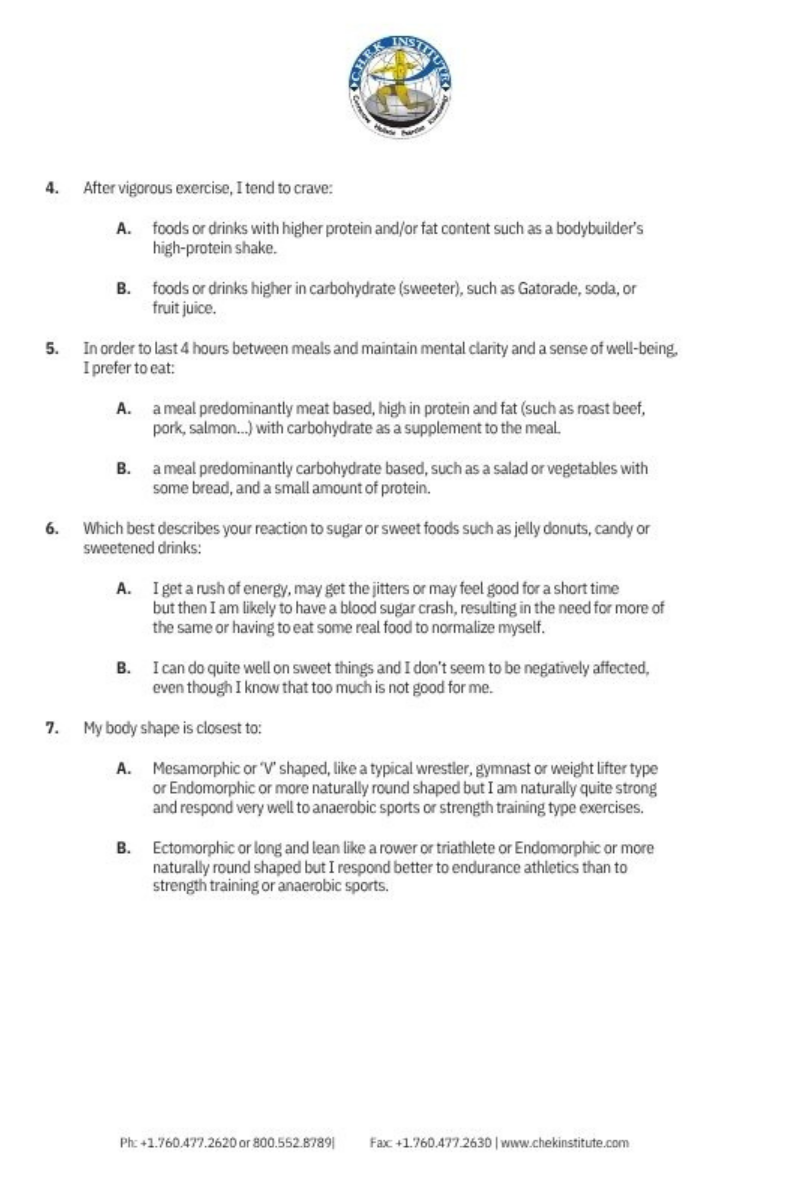
A simple Primal Pattern quiz can help point you in the right direction, but the most important part is paying attention to how you feel. Don't answer based on what you think you should eat. Instead, experiment. Notice how different meals affect your energy,digestion, cravings, focus, and overall well-being.
Nutrition doesn't have to be complicated. When you stop chasing every new diet trend and start listening to your own body, eating becomes much simpler—and your health often improves right along with it.
Ready to discover your Primal Pattern? Take the quiz, start experimenting with your meals, and begin fueling your body based on what works for you—not what worked for someone else.


.jpg)