
You’ve all heard that you’re supposed to drink water.
You know it’s good for you. You know it’s important for your health. You know you’re supposed to drink more of it…
But it can still be hard to actually do.
And even if you ARE drinking water, are you drinking enough? Are you actually staying hydrated?
I’ve seen clients struggle with this over the years. Some complain that water is “too boring,” “doesn’t taste good,” or that drinking more means way too many bathroom breaks. I’ve had clients who struggle to consume enough water throughout the day, and I’ve also had clients who drink a TON of water and still feel thirsty all the time.
So today, let’s talk about what we actually should be doing when it comes to water, and some simple tips to help you consume enough while making sure you’re actually supporting hydration.
First off… WHY should you drink water?
Let’s start with the obvious.
Water is essential for basically every system in your body. It helps regulate body temperature, transport nutrients, support digestion, lubricate your joints, and help your body eliminate waste.
One of the most important things water does is help maintain the right environment inside and around your cells. Your body relies on the right balance of fluids and electrolytes—minerals like sodium, potassium and magnesium—to keep those processes working properly.
So yes, drinking enough water matters.
But here’s where it gets a little more complicated…
If only it was as easy as, “Just drink water!”
Drink it, ta-daaa! Problem solved.
Nope.
Is all water created equal?
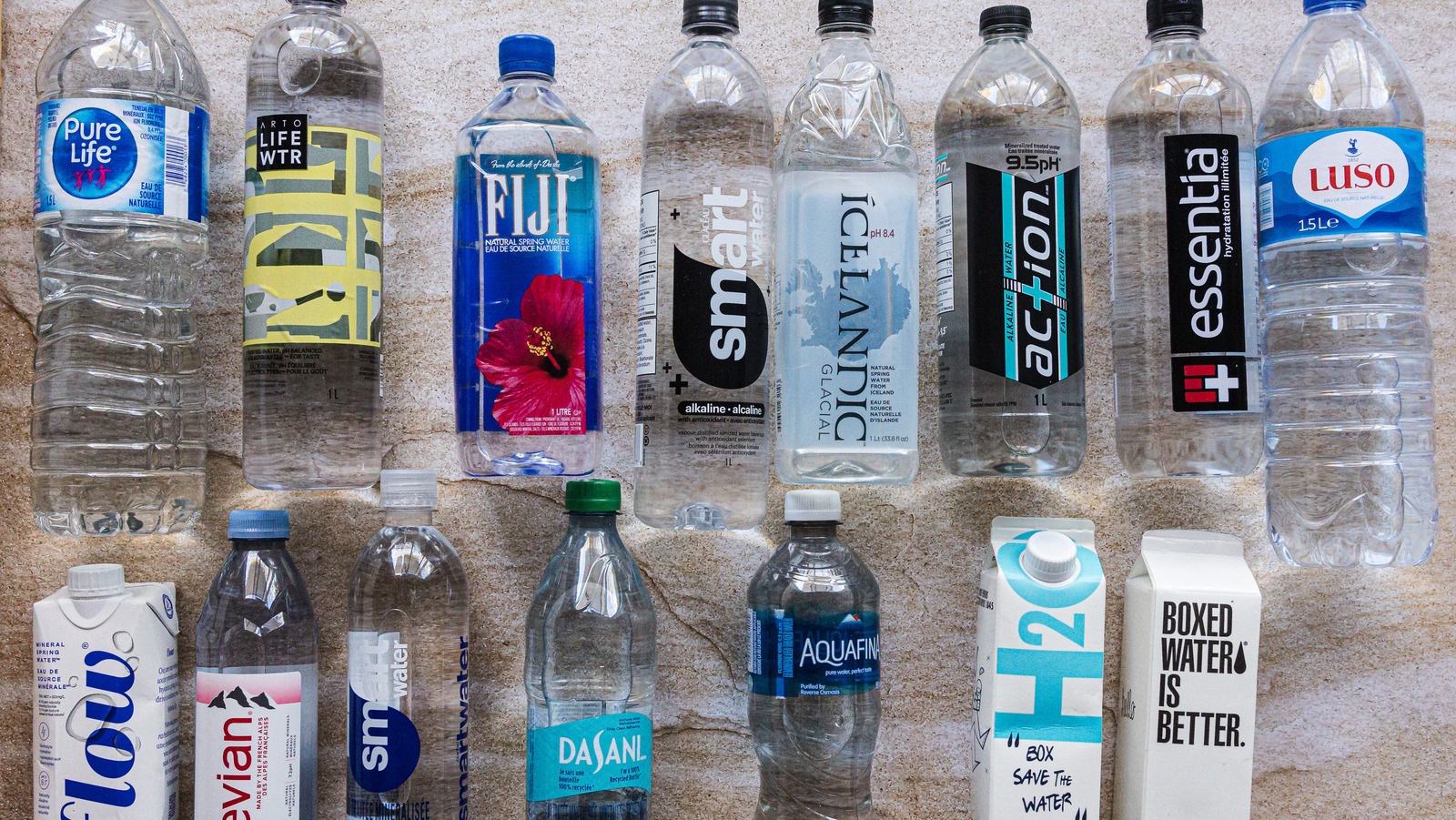
There are SO many types of water and filtration systems on the market these days. Purified, alkaline, spring, reverse osmosis, filtered… and honestly, it can get a little overwhelming.
And the most expensive filtration system or water brand might not necessarily be the healthiest or cleanest.
If you’re concerned about the quality of your water, a water-quality testing kit can be a simple place to start. You can find inexpensive testing kits pretty easily, but keep in mind that basic home tests have limitations. If you’re concerned about a specific contaminant, it may be worth looking into more comprehensive testing.
Another thing I think about is how water is stored. If you’re buying bottled water, consider the container and how it has been stored, especially if it has been sitting in heat for long periods of time.
Personally, I prefer to use a good-quality reusable bottle or glass container and filtered water at home whenever possible.
There are plenty of home filtration options out there, including reverse osmosis, Berkey Filters, etc. Do your research and find what makes sense for your home, your water source and your budget.
What about electrolytes and minerals?
Okay, so now we have our water…
But hydration isn’t just about water.
Your body also needs electrolytes—minerals that help regulate fluid balance and support things like muscle and nerve function.
This is especially important if you’re sweating a lot, exercising, spending time outside in the heat, or losing fluids through things like vomiting or diarrhea.
This is where adding the necessary minerals comes in – sodium, potassium, magnesium.
One thing you can do is simply add some unrefined sea salt to your water, NOT table salt. I like brands such as Celtic Salt or Redmond’s Real Salt, just make sure it’s clean and pure. You don’t need much, just a pinch per serving of water. If you can taste it, you put too much!
If you want more flavors while still getting the benefits of electrolytes, you can look into electrolytes packets. If you do choose an electrolyte product, check the ingredients! There are plenty of products on the market loaded with unnecessary sugars, artificial ingredients and additives. The fewer unnecessary ingredients, the better, in my opinion.
If you’re exercising heavily or sweating a lot, you will likely need more electrolytes/salt.
So… how much water do I actually need?
This is probably the question everyone wants answered.
A common starting point is the “half your body weight in ounces” rule.
So if you weigh 150 pounds that would be about 75 ounces of water per day.
But remember—this is a starting point, not a magic number.
Your individual needs can vary based on your activity level, how much you sweat, the climate you live in, your diet and other individual factors.
If you’re active and sweating heavily, you’ll probably need more.
And if you currently drink very little water, don’t suddenly force yourself to drink a gallon tomorrow.
Start small.
Try drinking 32 ounces throughout the day and then gradually increase from there. Add another 8 ounces. Then another. Give your body some time to adjust.
“But water is SO boring!”
I get it.
If plain water is just too bland for you, play around with the flavor.
Try infusing your water with:
You can also use those electrolytes or flavor packets, but again—check those ingredients! Just because something is marketed as a “hydration” product doesn’t automatically mean it’s the best choice.
Sometimes making your water a little more interesting is all it takes to actually drink more of it.
Try room-temperature water
This one is simple, but I’ve found that some people naturally drink more water when it’s room temperature rather than ice cold.
Cold water isn't necessarily “bad” for you, but room-temperature water can be easier for some people to drink in larger amounts, especially if you’re trying to sip consistently throughout the day.
Try both and see what works for you!
The best temperature for your water is ultimately the one that makes you actually want to drink it.
“But I don’t want to pee ALL DAY!”
Yeah…
The more fluid you drink, the more your body is going to have to eliminate.
Unfortunately, that’s kind of part of the deal.
But there are a few things you can do to make it a little easier.
Drink more, earlier in the day
If you’re drinking most of your water right before bed, you’re probably going to wake up needing to use the bathroom.
Instead, try getting more of your water in earlier in the day and gradually tapering off toward bedtime.
Sip, don’t gulp
Instead of chugging a giant bottle of water all at once, try drinking smaller amounts consistently throughout the day.
Not only is this easier to maintain, but it can help prevent the “I just drank 40 ounces and now I need to pee immediately” situation.
Pay attention to bladder irritants
Caffeine, alcohol and acidic or carbonated beverages can increase urinary frequency or bladder urgency for some people.
If you feel like you’re constantly running to the bathroom, take a look at what else you’re drinking—not just how much water you’re drinking.
Alright guys… time to hydrate!
At the end of the day, staying hydrated doesn’t have to be complicated.
Start with good-quality water. Drink consistently throughout the day. Increase your intake gradually if you’re currently not drinking enough. Pay attention to electrolytes and find ways to make water enjoyable enough that you actually WANT to drink it.
You don’t have to be perfect.
Just start paying attention to how much you’re drinking and make small improvements from there.
So grab your water bottle, fill it up, and hit that hydration goal!
Your body will thank you for it.